Don

About Don

This author has not yet filled in any details.
So far Don has created 70 blog entries.

The Mystery of the Magi

2021-12-23T16:42:25+00:00Jesus in the New Testament, Uncategorized|

World needs Jesus

2021-11-10T16:47:11+00:00MUSIC|

Magnify

2021-11-06T01:48:26+00:00Jesus in the Old Testament, MUSIC|

Anchor

2021-11-04T01:05:08+00:00MUSIC|

No ONE but YOU

2021-10-25T03:31:55+00:00MUSIC|

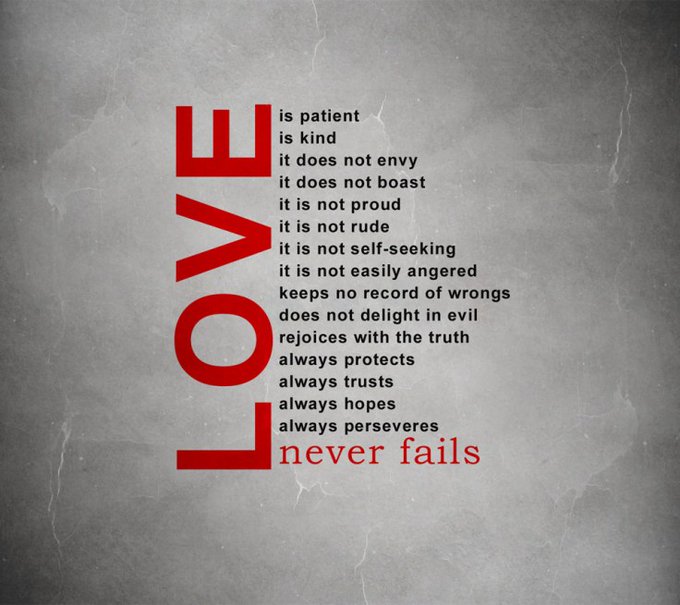
This Is Love

2021-10-22T00:00:48+00:00MUSIC|

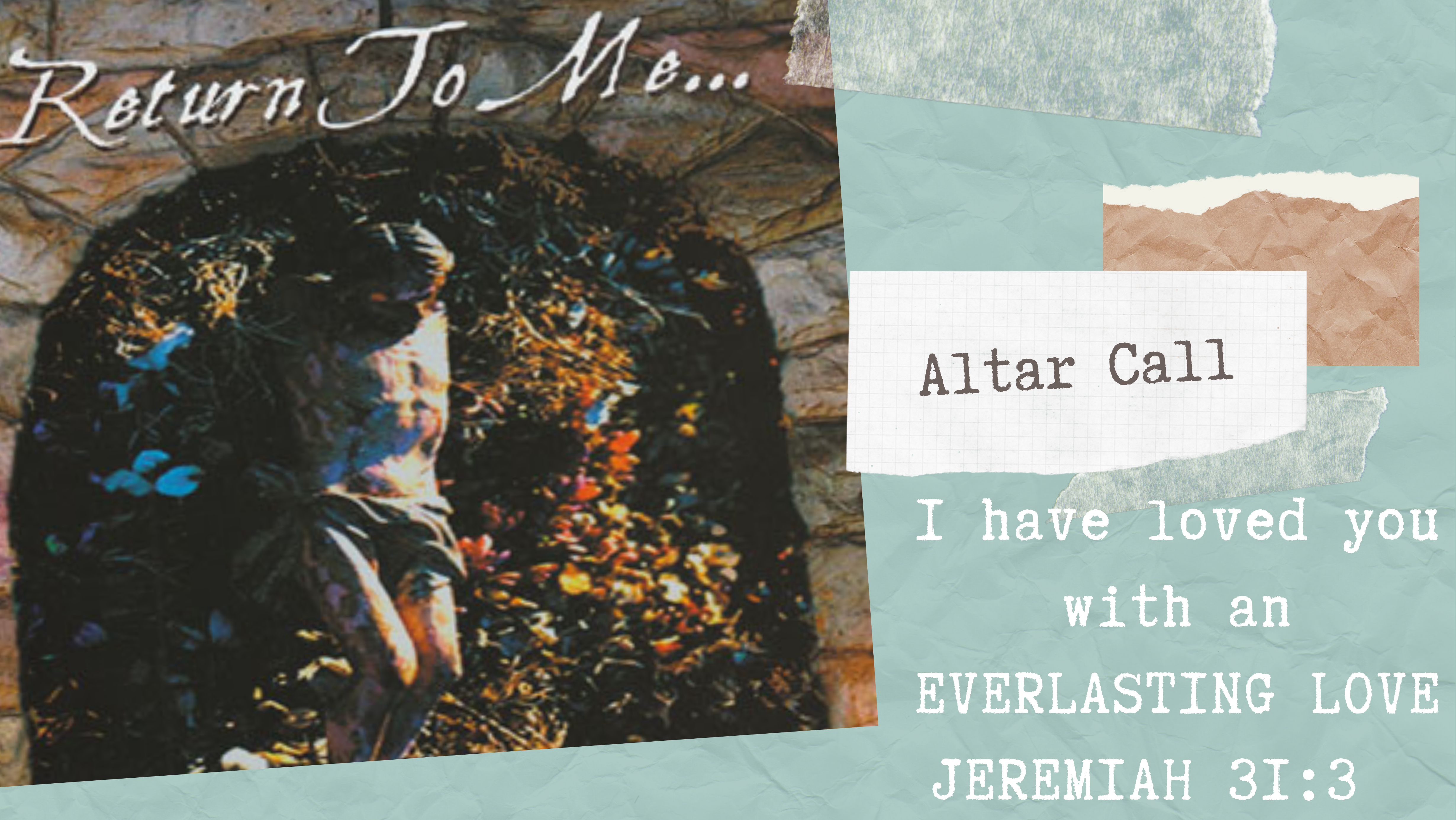
Altar Call

2021-10-12T00:20:19+00:00MUSIC|

Thankful Heart

2021-10-01T13:53:09+00:00MUSIC|

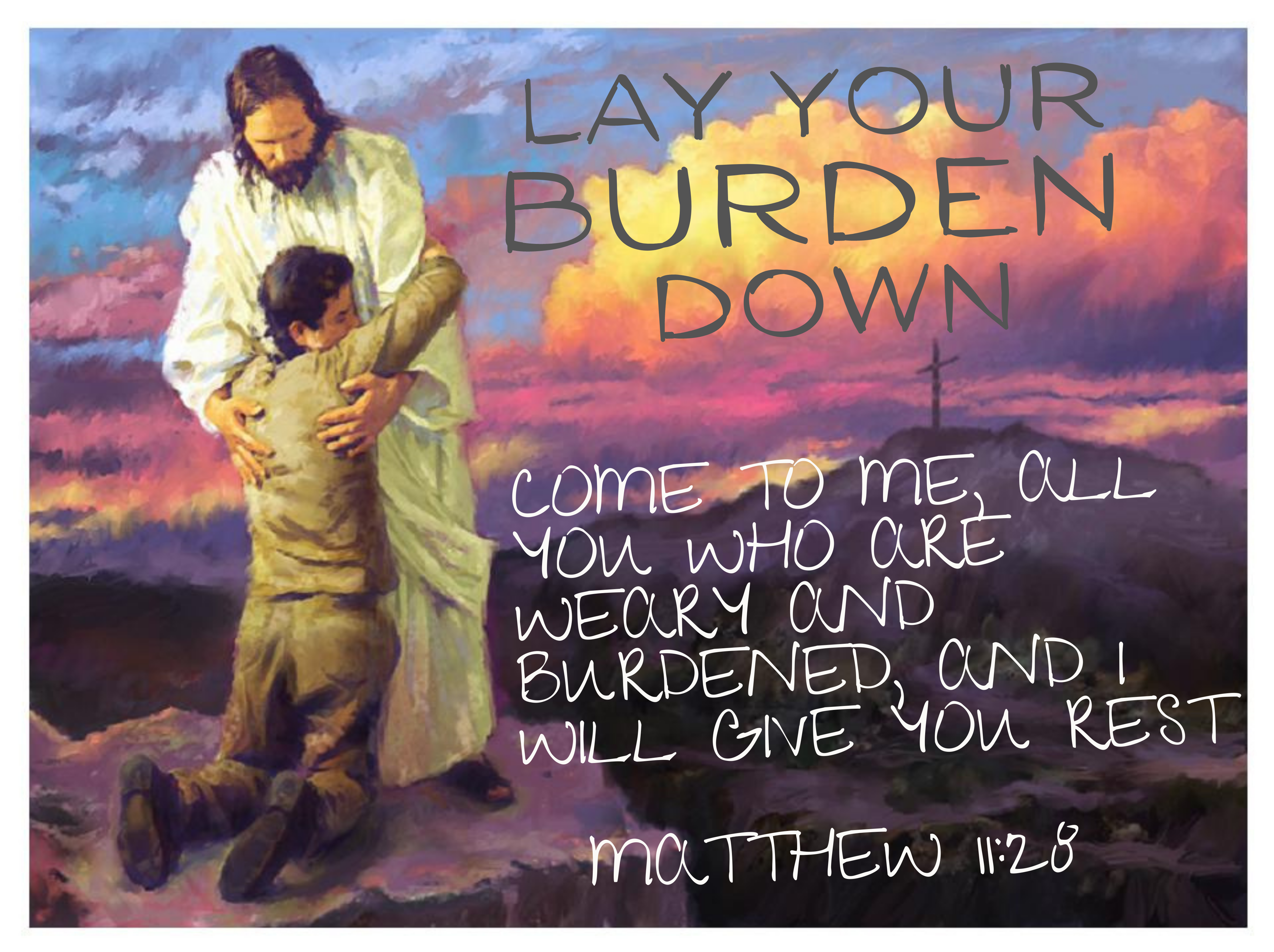
Lay your BURDEN down

2021-10-01T00:57:32+00:00MUSIC|

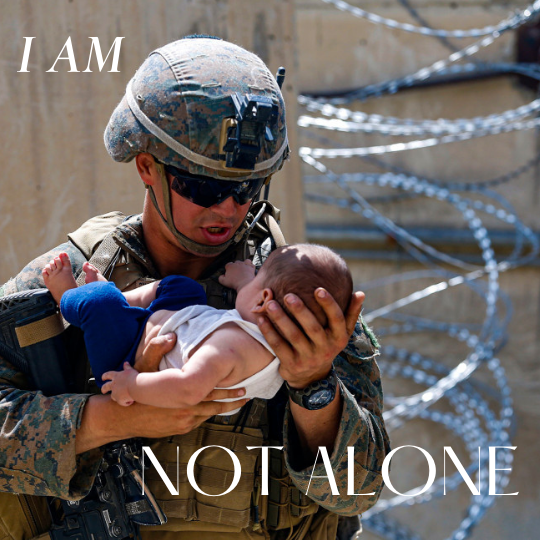
I am not alone

2021-09-03T12:59:22+00:00MUSIC|

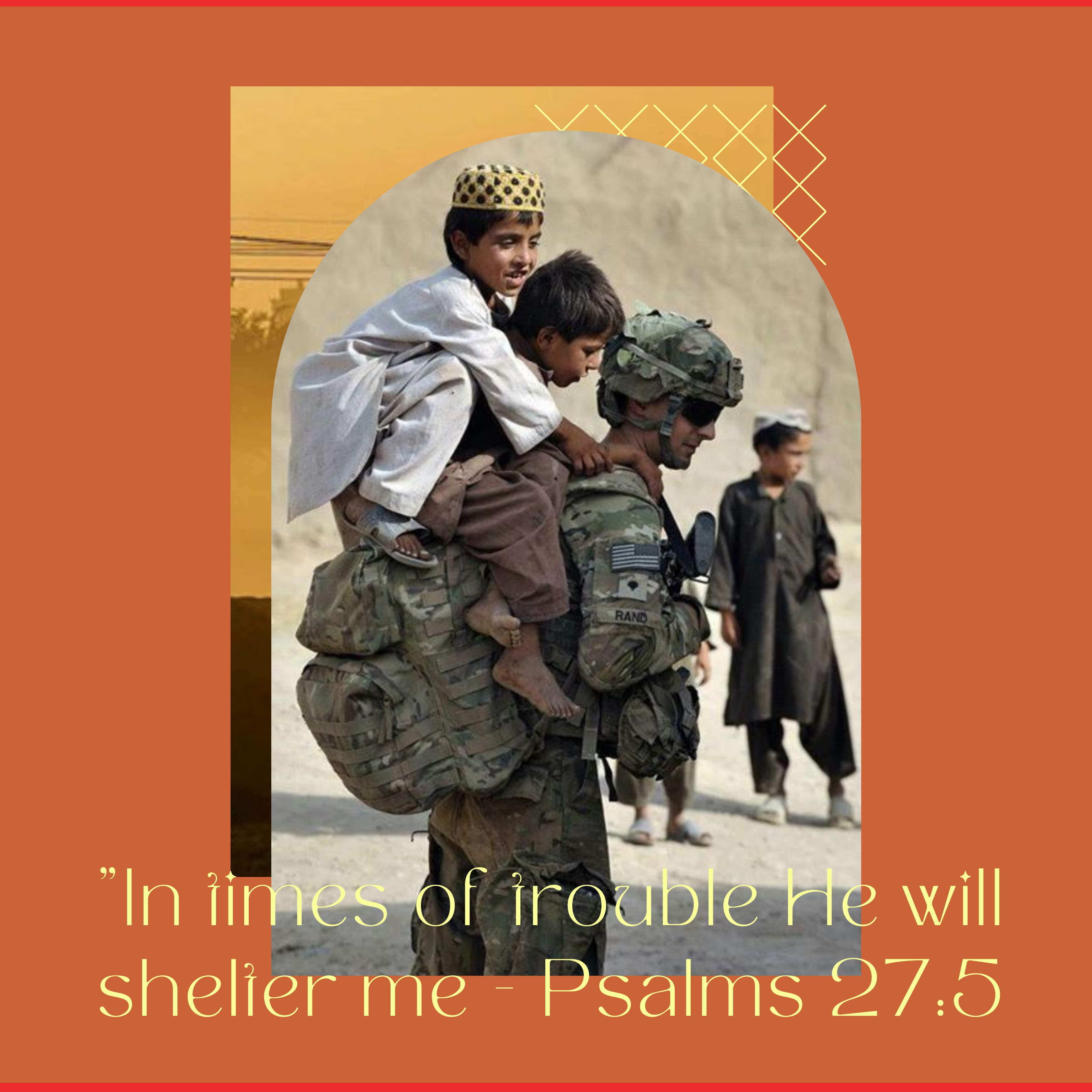
Shelter

2021-08-24T02:04:31+00:00MUSIC|

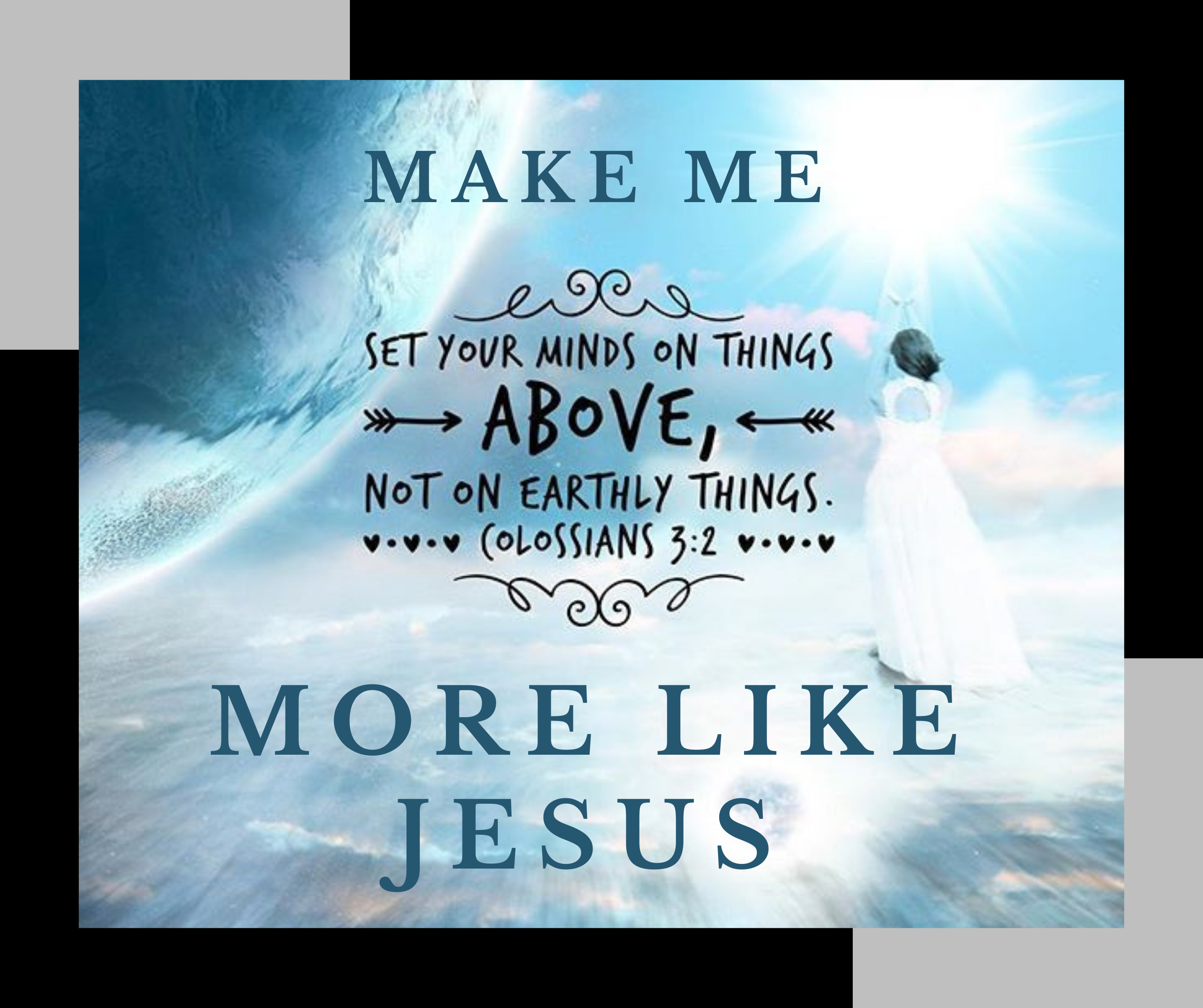
More Like Jesus

2021-08-20T01:27:56+00:00MUSIC|

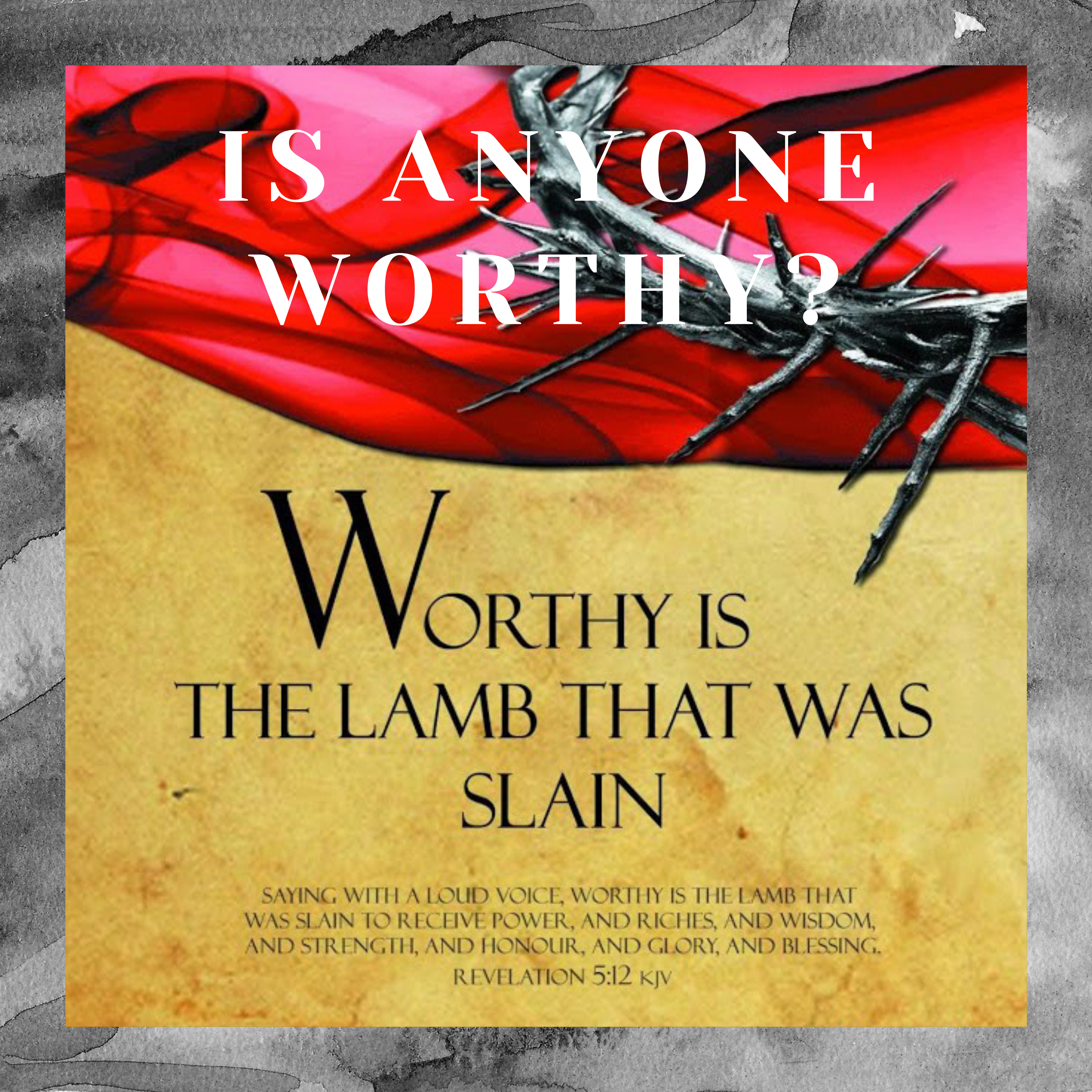
IS HE WORTHY?

2021-08-18T01:16:02+00:00MUSIC|

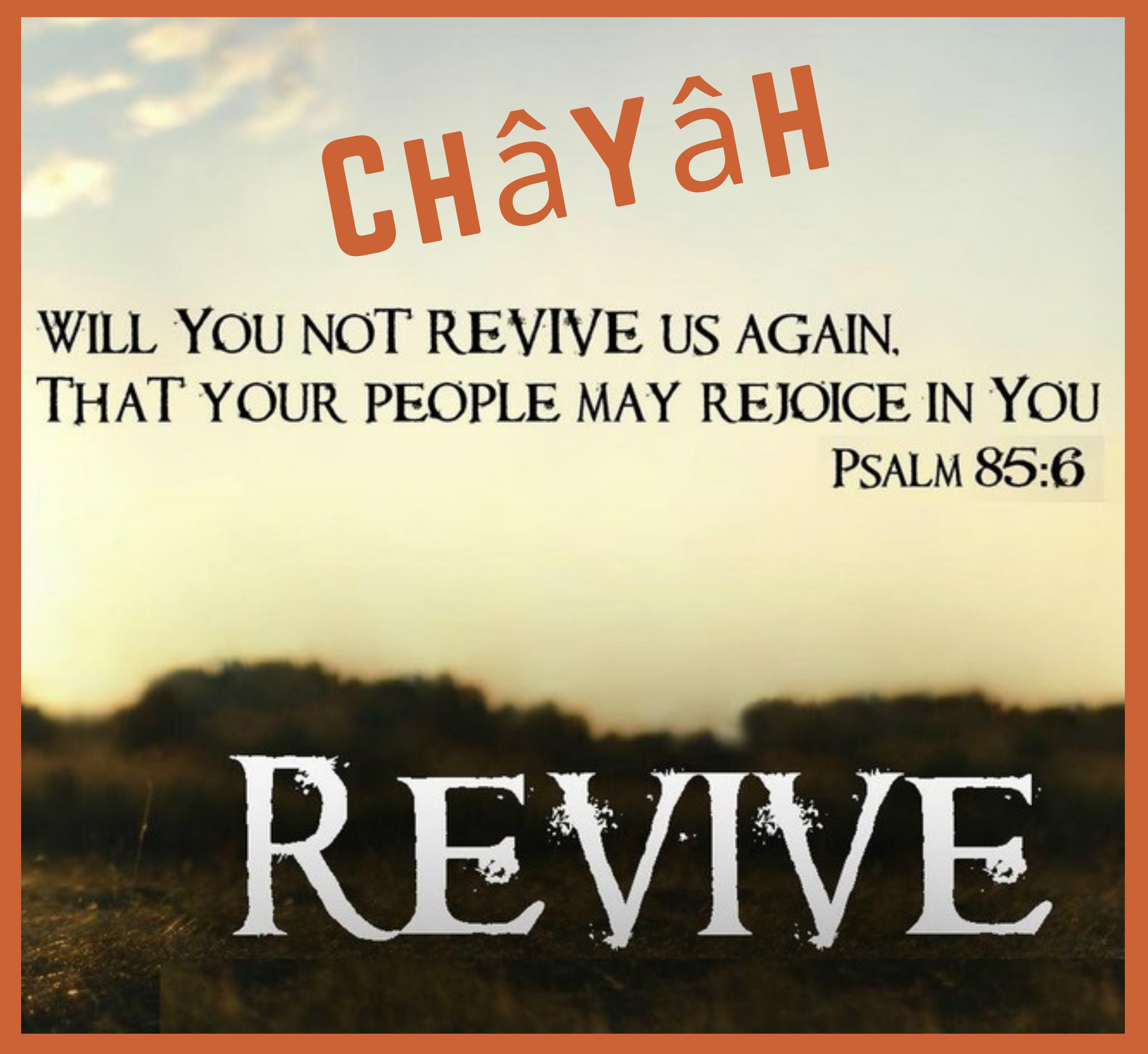
Châyâh – God of Revival

2021-09-02T23:35:52+00:00MUSIC|

Berakah – The Blessing

2021-08-12T01:10:17+00:00MUSIC|

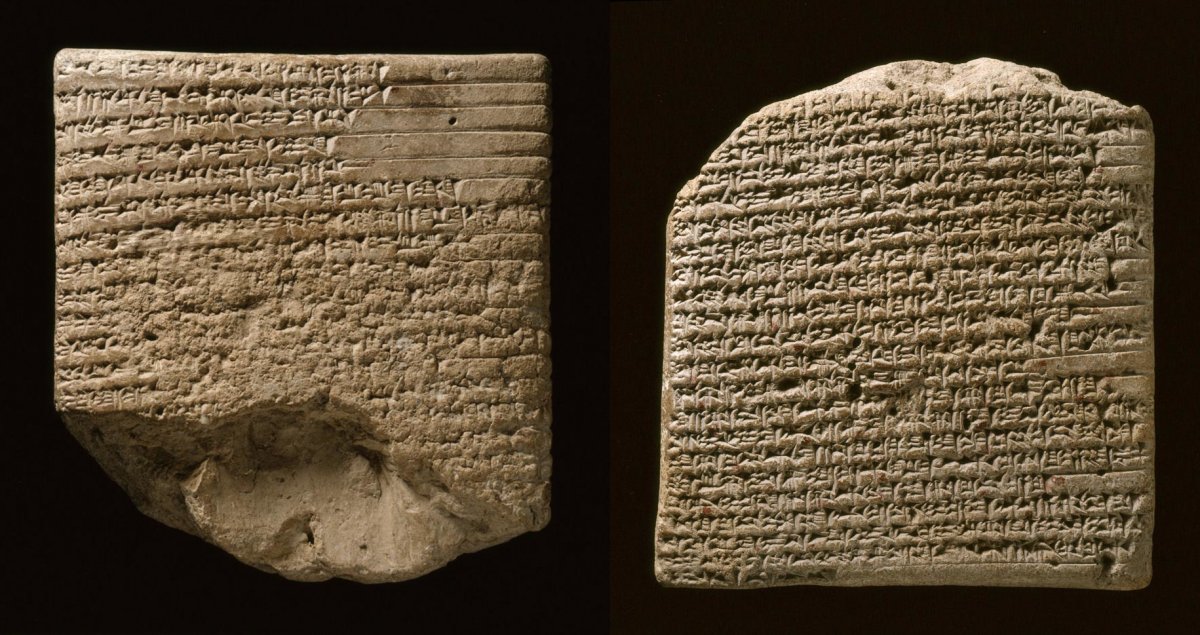
The Amarna letters

2020-09-17T00:53:13+00:00Egypt|

The Chaldeans

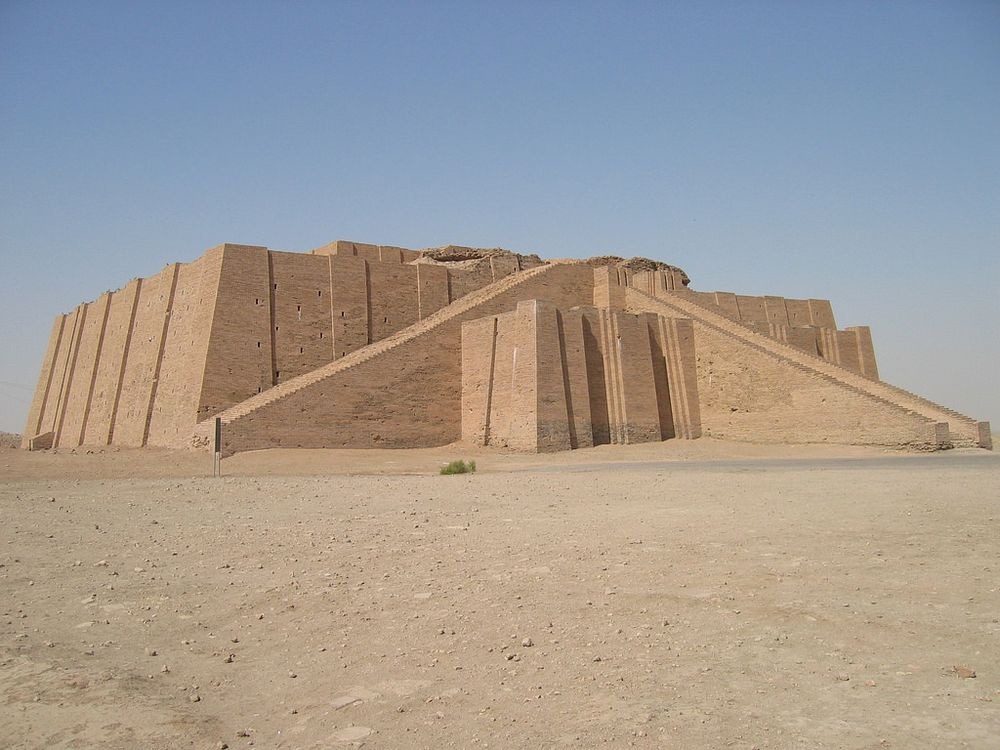
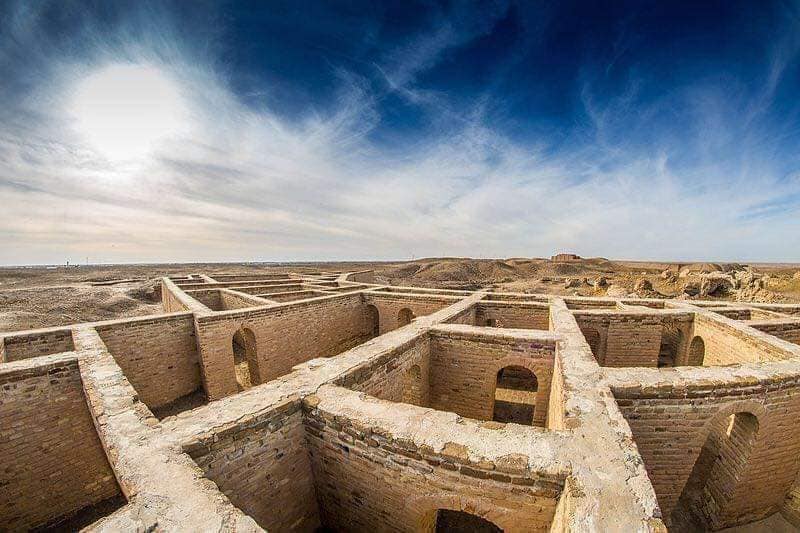
The Ziggurat of Ur

2020-09-16T04:19:24+00:00Babylonian Chronicles|

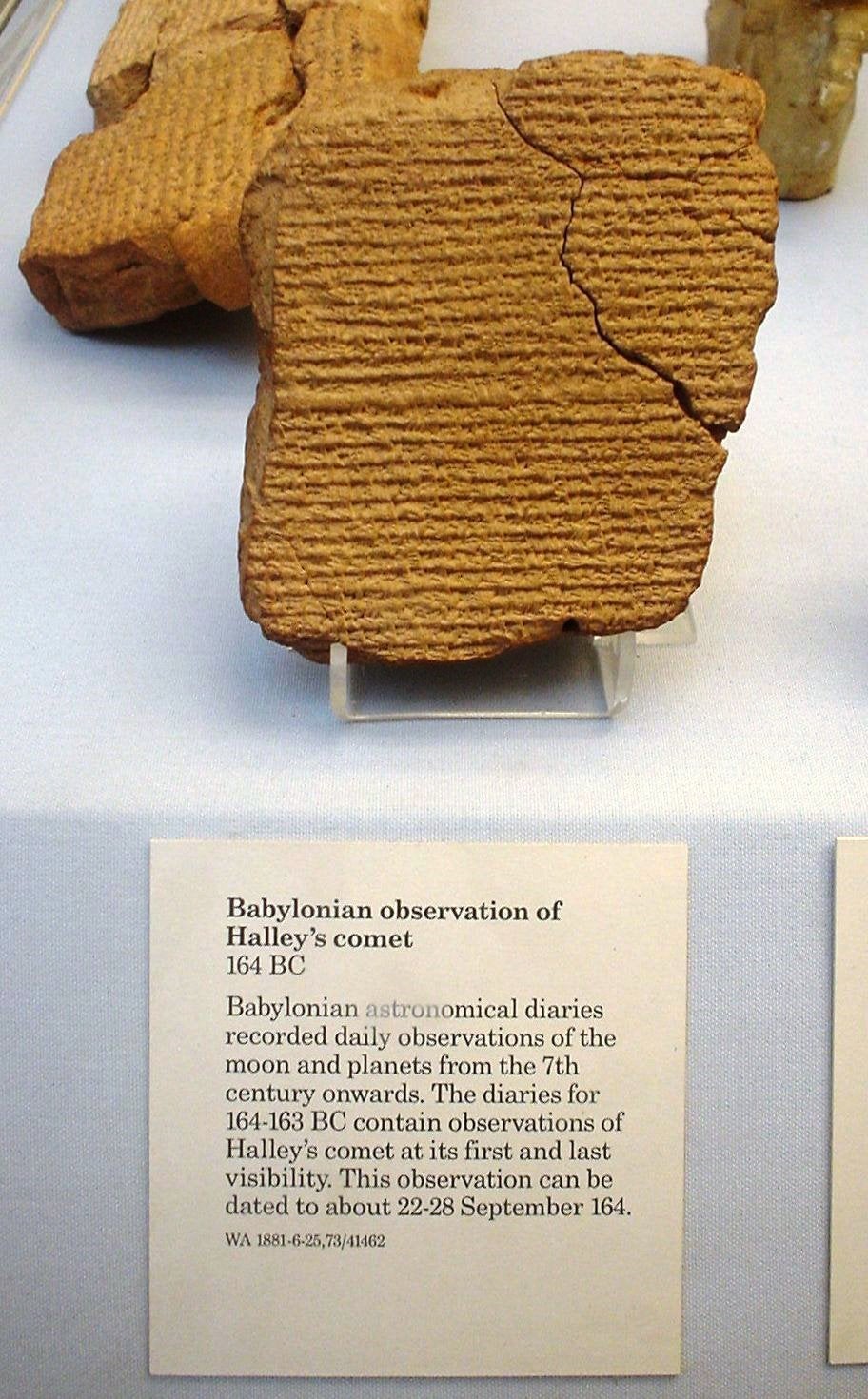
The Astronomical Diaries of Babylon

2020-09-15T23:24:54+00:00Babylonian Chronicles|

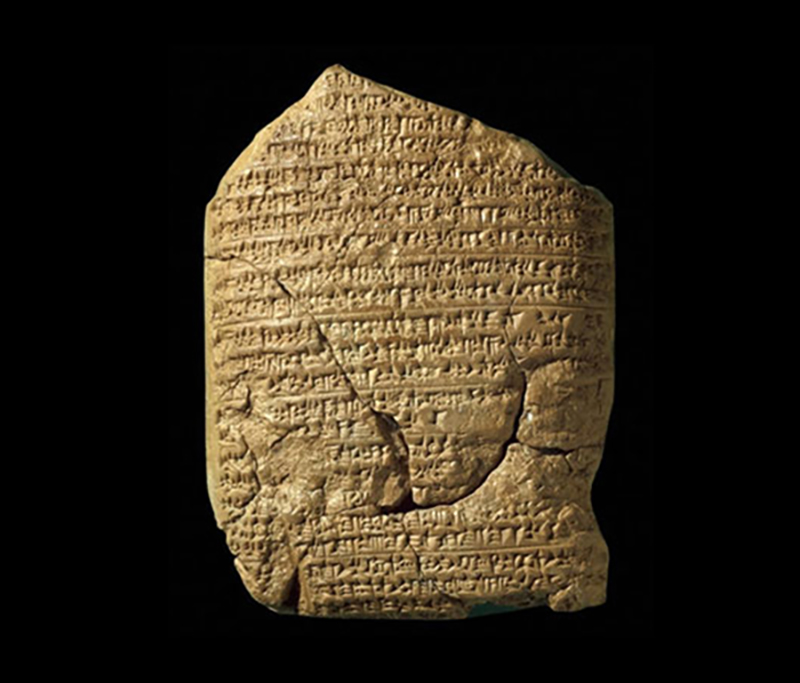
Babylonian Chronicles – The Nebuchadnezzar Chronicle

2020-09-15T23:27:44+00:00Babylonian Chronicles|

House of Abraham

ARCHAEOLOGY AND THE BIBLE: HOUSE OF ABRAHAM

The LORD spoke to him (Abraham), “I am the LORD, who brought you from UR of the CHALDEANS, to give you this land as an inheritance.” – Genesis 15:7

The house of Abraham in Ur in southern Iraq is mentioned in the Bible Genesis 11:28: “and Haran died before his father Terah in the land of his nativity, in Ur of the Chaldeans”. The house dates to 3000 BC. It was discovered by British Archaeologist Sir Charles Leonard Woolley in 1929. 
Ur Kaśdim, commonly translated as Ur of the Chaldeans, is a city mentioned in the Bible as the birthplace of the patriarch Abraham father of Isacc and Ishmael. In 1862, Henry Rawlinson first identified Ur Kaśdim with Tell el-Muqayyar, near Nasiriyah in southern Iraq. It wasn’t excavated until the 1900’s.
References
Sinan Salaheddin (4 April 2013). “Home of Abraham, Ur, unearthed by archaeologists in Iraq”.
McLerran, Dan (2011-06-23). “Birthplace of Abraham Gets a
New Lease on Life | Popular Archaeology – exploring the past”. Popular Archaeology. Archived from the original
“Journey of Faith – National Geographic Magazine”. Ngm
“City of Biblical Abraham Brimmed With Trade and Riches”. 11 March 2016.
“Ancient site unearthed in Iraqi home of Abraham”.
David, Ariel (22 March 2018). “Archaeologists Glance Into Fox Burrow in Iraq, Find 4,000-year-old Sumerian Port” –
A. T. Clay, International Standard Bible Encyclopedia, 1915: “kal’-dez (‘ur kasdim; he chora (ton) Chaldaion)
Research by Archaeologist Esther Lovado
2020-09-15T16:53:45+00:00Archaeology and the Bible|

Oldest Gospel of John fragment

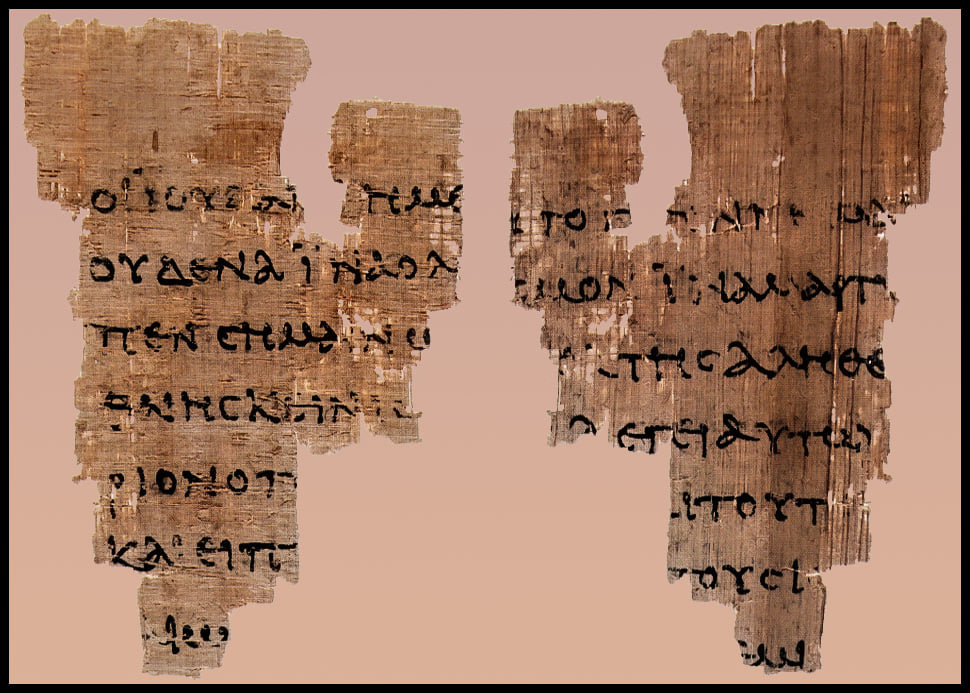
THE RYLANDS LIBRARY PAPYRUS P-52, ALSO KNOWN AS THE ST. JOHN’S FRAGMENT, IS A FRAGMENT FROM A PAPYRUS CODEX, MEASURING ONLY 3.5 BY 2.5 INCHES AND HELD AS THE OLDEST KNOWN FRAGMENT OF THE NEW TESTAMENT IN THE WORLD.

Comparison to contemporary papyri have given it a standard dating of AD 125, though the date range is given between AD 94 and 138. This makes this fragment the earliest known papyrus of a New Testament scripture, written in codex form in large print, showing that it was made for public reading.
The dates show that this copy of the gospel of John was written possibly before the death of John, but certainly within just a few years of his death. Glue found on the fragment show that it was written in codex form, not a scroll. Codices were relatively new at the time of the New Testament, but adopted widely by the early churches because of its ease of use.
The P52 papyrus contains a small portion of the following scripture text:
Front: John 18:31-33 Then said Pilate unto them, Take ye him, and judge him according to your law. The Jews therefore said unto him, It is not lawful for us to put any man to death: 32 That the saying of Jesus might be fulfilled, which he spake, signifying what death he should die. 33 Then Pilate entered into the judgment hall again, and called Jesus, and said unto him, Art thou the King of the Jews?
Back: John 18:37-38 Pilate therefore said unto him, Art thou a king then? Jesus answered, Thou sayest that I am a king. To this end was I born, and for this cause came I into the world, that I should bear witness unto the truth. Every one that is of the truth heareth my voice. 38 Pilate saith unto him, What is truth? And when he had said this, he went out again unto the Jews, and saith unto them, I find in him no fault at all.
2020-09-14T18:02:38+00:00Origin of the Greek New Testament|

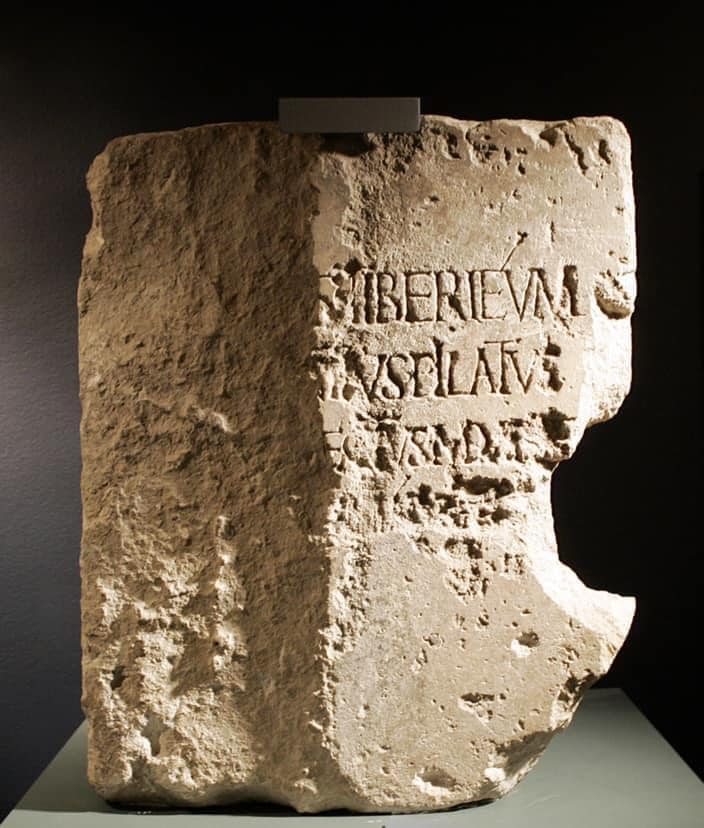
The Pilate Stone

ARCHAEOLOGY AND THE BIBLE – THE PILATE STONE
“Pontius Pilatus, Prefect of Judea, has dedicated to the people of Caesarea a temple in honor of Tiberius.”
In 1961, archaeologists discovered a plaque fragment at Caesarea Maritima, an ancient Roman city along the Mediterranean coast of Israel. The plaque was written in Latin and imbedded in a section of steps leading to Caesarea’s Theater.
The “Pilate Stone” is historically significant because it dates to Pilate’s own lifetime. It is contemporary evidence. Yet — powerfully illustrating the distinctly random nature of archaeological discovery — the excavators could easily have missed it, simply discarding it as rubble. By the fourth century, it had been incorporated into a set of stairs in Caesarea’s Herodian theater. There, the inscription faced downward — fortunately, because that position preserved it from being worn away!
2020-09-03T03:57:23+00:00Archaeology and the Bible|

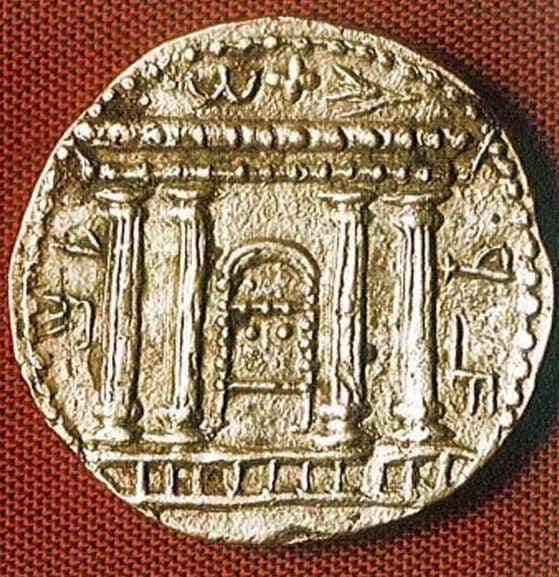
King Herod’s Temple Coin

ARCHAEOLOGY AND THE BIBLE – KING HEROD’S TEMPLE
A simple coin gives us the image of King Herod’s Jerusalem Temple that we read of in the Gospels. The sela or tetradrachm features what may be the most accurate representation of the Jerusalem Temple that was destroyed by the Romans in A.D. 70. The Coin depicts the entrance of the Temple in Jerusalem with the Ark of the Covenant inside , surmounted by a star with inscription in Paleo-Hebrew.
This coin was issued when part of the Jewish population in Judea revolted against Roman rule, in AD 132, under the leadership of a man named Simon ben Kosiba. He was thought by Jews of the time to be the promised ‘Messiah of Israel’, and was given the surname Bar Kokhba, ‘Son of a Star’, as fulfilment of a prophecy: ‘there shall come a Star out of Jacob, and a Sceptre shall rise out of Israel’ (Numbers 24:17). In AD 135 Bar Kokhba was defeated, and the Roman emperor Hadrian expelled Jews from Jerusalem.
The tetradrachm was made by overstriking a Roman coin. It is possible to see traces of the portrait of the Roman emperor Trajan (r. AD 98–117) on the reverse. The legends on the coin are in Hebrew. The coin depicts the Temple of Jerusalem, which was destroyed by the Romans during the first Jewish revolt in AD 70. The reverse represents the palm branches (lulav) and a citrus (etrog) used for the feast of Tabernacles (Sukkot), during which the Jews were commanded to make a pilgrimage to the Temple (following Leviticus 23:40).
Thanks to Archeologist Esther Lovato for this research.
2020-09-01T18:39:09+00:00Archaeology and the Bible|

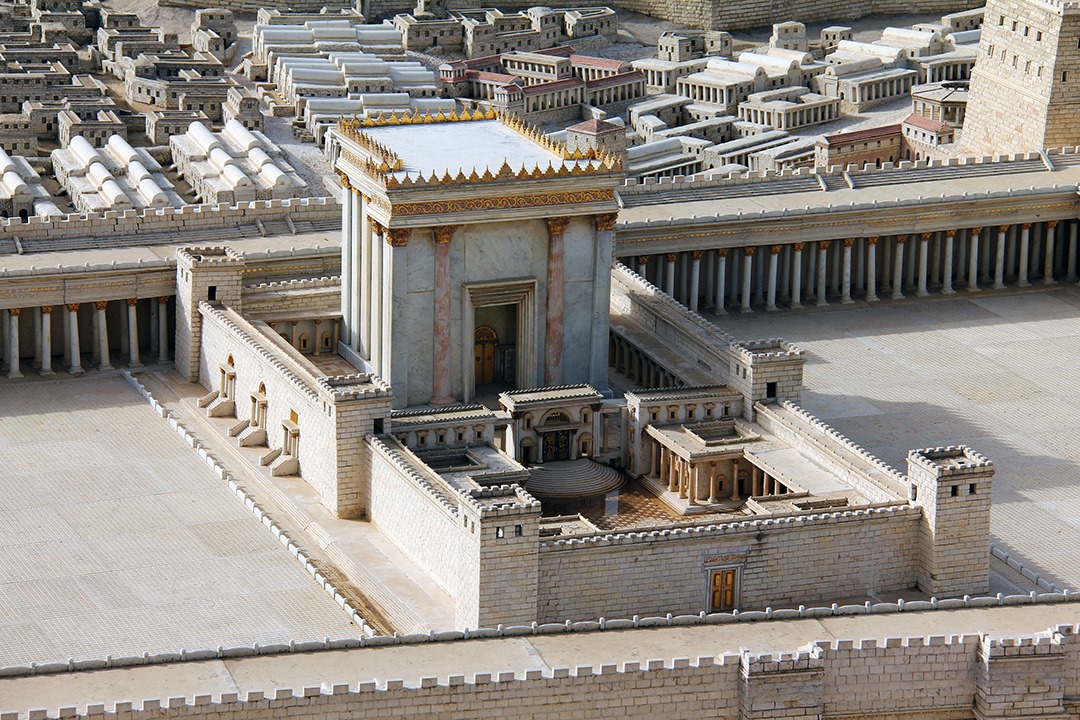
The destruction of Herod’s Temple

ARCHAEOLOGY AND THE BIBLE – DESTRUCTION OF THE TEMPLE

As Jesus left the temple and was walking away, His disciples came up to Him to point out its buildings. “Do you see all these things?” He replied. “Truly I tell you, not one stone here will be left on another; every one will be thrown down.” – Matthew 24:1-2

Perhaps one of the most famous passages in which Jesus addresses the Temple is Matthew 24. Here Jesus prophesies the complete destruction of the Herod’s Temple.

Herod began construction on the Temple and its surrounding buildings in A.D. 20, the eighteenth year of his reign. John 2:20 states that the temple took 46 years to build – a time span longer than Herod’s reign. He never lived to see the entire structure completed. Indeed, Josephus tells us (Antiquities 20.219) that final embellishments and repairs on components of the Temple were just being completed at the time of the Jewish revolt in A.D. 70. It was at that time that Titus came into Jerusalem with the 10th Roman Legion and razed the Temple to the ground, burning it, dismantling it, and plowing the entire Temple Mount to the ground, exactly fulfilling the words of Jesus in Matthew 24.

(Thanks to the ancient Historian Josephus and to the amazing researchers at Epic Archaeology for this research)

2020-09-03T14:43:13+00:00Archaeology and the Bible|

The Pool of Bethesda

ARCHAEOLOGY AND THE BIBLE-
THE POOL OF BETHESDA
Some time later, Jesus went up to Jerusalem for one of the Jewish festivals. Now there is in Jerusalem near the Sheep Gate a pool, which in Aramaic is called Bethesda and which is surrounded by five covered colonnades. Here a great number of disabled people used to lie—the blind, the lame, the paralyzed. One who was there had been an invalid for thirty-eight years. When Jesus saw him lying there and learned that he had been in this condition for a long time, he asked him, “Do you want to get well?”
“Sir,” the invalid replied, “I have no one to help me into the pool when the water is stirred. While I am trying to get in, someone else goes down ahead of me.”
Then Jesus said to him, “Get up! Pick up your mat and walk.” At once the man was cured; he picked up his mat and walked. – John 5:1–9 ✝️
The Apostle John wrote about the existence of a pool of Bethesda (John 5:1–9) and said that it was located in the region of Jerusalem, near the Sheep Gate, surrounded by five colonnades. For many years, some have argued that no such place exists outside of John’s gospel. This might support an argument that John’s gospel was written late in history by someone who was unfamiliar with the features of the city. In 1888, however, archaeologists began excavating the area near St. Anne’s Church in Jerusalem and discovered the remains of the pool, complete with steps leading down from one side and five shallow porticoes on another side. In addition, the twentieth-century discovery of the Dead Sea Scrolls also provided us with ancient confirmation of the pool’s existence. The COPPER SCROLL (written between AD 25 and AD 68) described a list of locations in Jerusalem that included a pool called “Beth Eshdathayin” located near a porch. The claims of a first-century gospel writer are corroborated by archaeology! ❤️
2020-09-03T14:51:54+00:00Archaeology and the Bible|

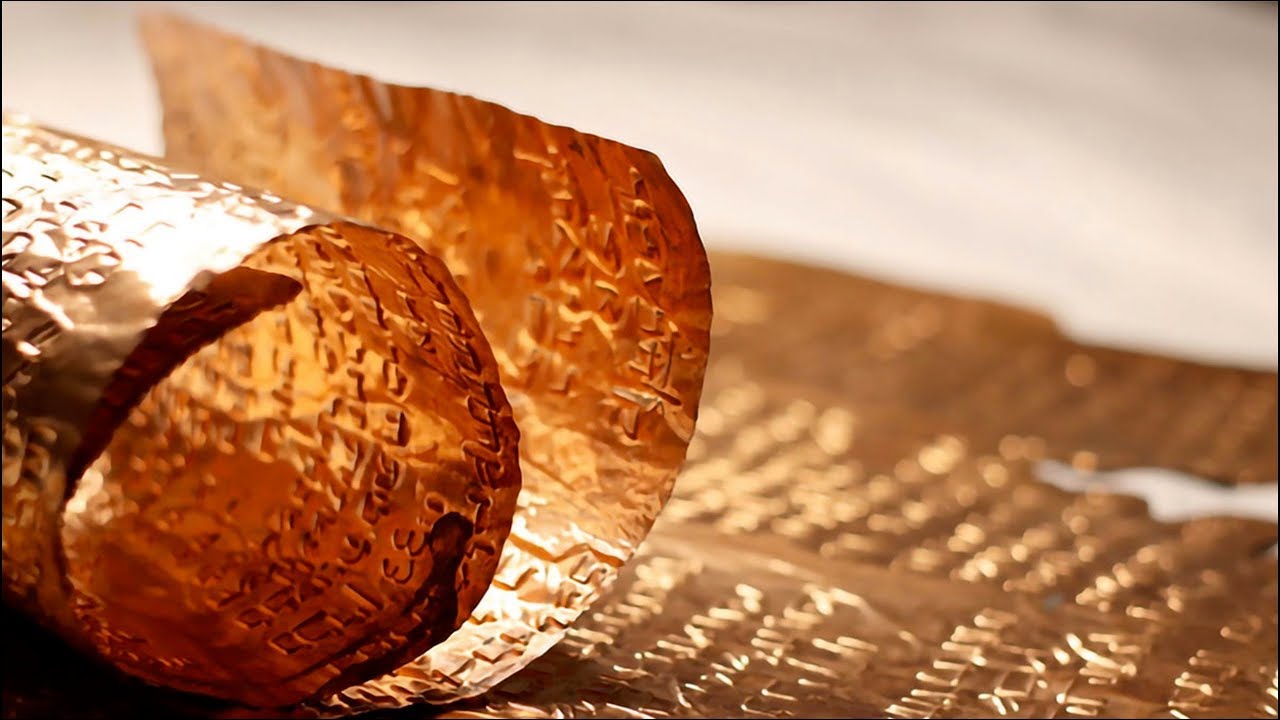
The Copper Scroll

DEAD SEA SCROLLS – THE COPPER SCROLL
“Forty two talents lie under the stairs in the salt pit … Sixty five bars of gold lie on the third terrace in the cave of the old Washers House … Seventy talents of silver are enclosed in wooden vessels that are in the cistern of a burial chamber in Matia’s courtyard. Fifteen cubits from the front of the eastern gates, lies a cistern. The ten talents lie in the canal of the cistern … Six silver bars are located at the sharp edge of the rock which is under the eastern wall in the cistern. The cistern’s entrance is under the large paving stone threshold. Dig down four cubits in the northern corner of the pool that is east of Kohlit. There will be twenty two talents of silver coins.” – Translated from the Copper Scroll.
While most of the Dead Sea Scrolls were found by Bedouins, the Copper Scroll, which is now on display at the Jordan Museum in Amman, was discovered by a Jordanian archaeologist. It was found on March 14, 1952 at the back of Cave 3 at Qumran. It was the last of 15 scrolls discovered in the cave and is thus referred to as 3Q15. While the other scrolls were written on parchment or papyrus, this scroll was written on copper. And rather than being placed in clay jars, it was found on a hidden man-made shelf in the back of the cave. Scholars believe it dates to the First Jewish Revolt against Rome in the first century C.E. (c. 66–70 C.E.) and place it right before the Romans destroyed the Jerusalem Temple in 70 C.E. The Copper Scroll is a VERBAL TREASURE MAP that leads to OVER 168 TONS of treasure that many researchers believe dates back to King Solomon’s Temple. As fascinating as that may be, the Copper Scroll also describes locations such as the POOL OF BETHESDA, thus corroborating the Bible.
The Copper Scroll is unique in all of antiquity. It represents a growing body of archaeological evidence that leads us to the TRUTH of the Scriptures and their focal point… Yeshua Jesus.✝️
2020-09-01T18:30:46+00:00The Dead Sea Scrolls|

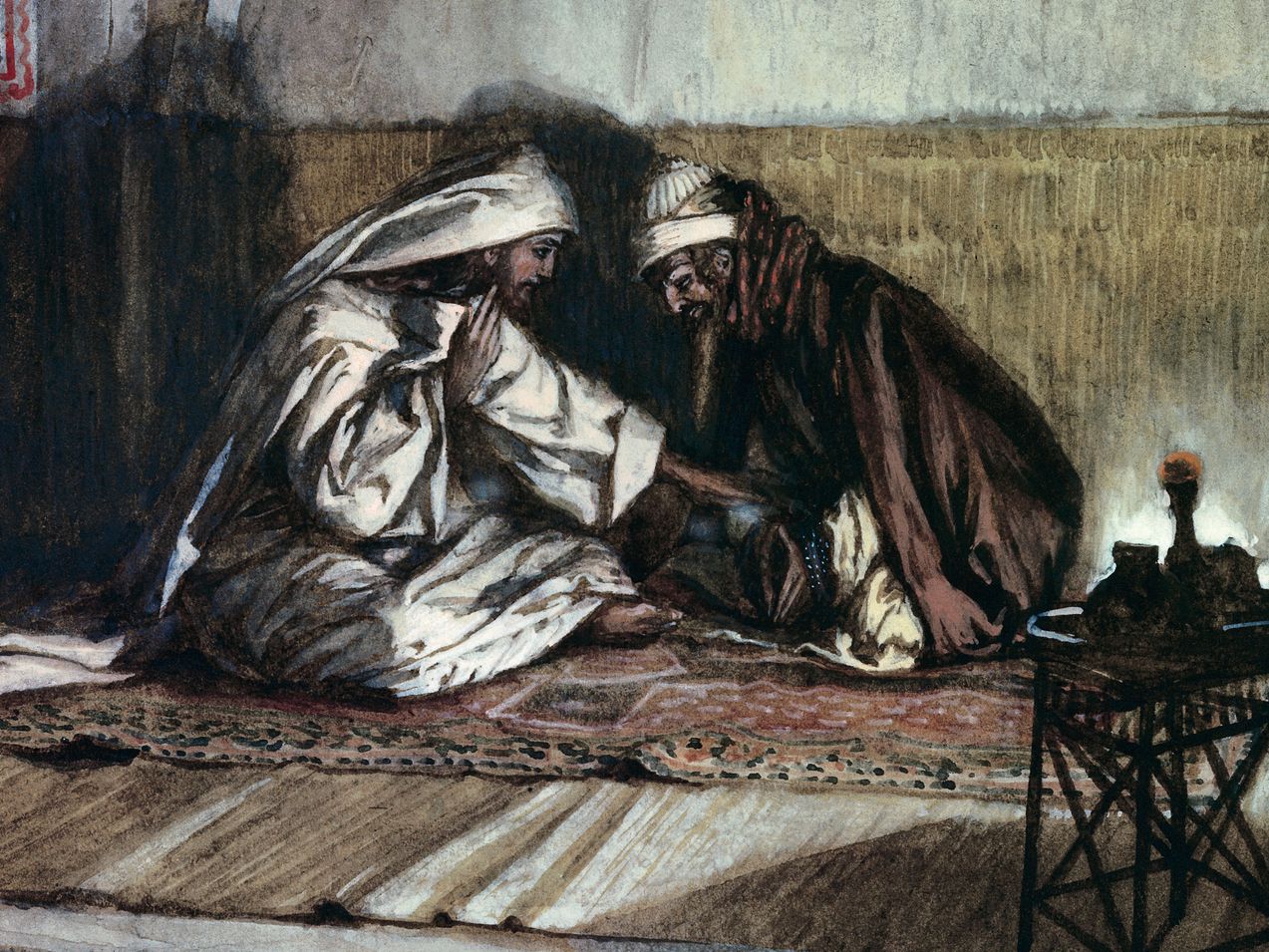
The Meeting of Jesus and Nicodemus

THE MEETING ✝️
Nicodemus wrapped his Sudarium cloth around his head and pulled the ends around to conceal his face. ‘It wouldn’t do to be recognized on the streets of Jerusalem tonight”, he thought. He then stepped into the cool darkness, lifting his fine linen robe to avoid dragging the long tassels. He had arranged for a secret meeting with a most controversial Rabbi named Yeshua. “I’m a respected member of the Sanhedrin court, a devout Pharisee”, he said under his breath. He hurried along the dark streets. “I have memorized the Torah. I have interpreted it thoroughly with the Mishna. I have read all of the commentaries of the Talmud. Why do I need to consider this man?” Nicodemus continued to question his own logic as he arrived at the secret meeting place. Yeshua was there waiting.
Nicodemus had thought of his opening line in far in advance of their meeting. The miracles Yeshua was performing, such as the healing of a leper, had never been performed since the giving of the Torah. Indeed, the Babylonian Talmud confirmed it. Only the Messiah could perform this miracle. He had remembered the message Yeshua sent to the imprisoned John the Baptist when asked if He was the Messiah…
“Go back and report to John what you have seen and heard: The blind receive sight, the lame walk, those who have leprosy are cleansed, the deaf hear, the dead are raised, and the good news is proclaimed to the poor.”, Yeshua had replied. (Luke 7:22)
Yes… all these miracles, they are the very ones deemed unique to the Messiah in the Talmud. He must tactfully put Yeshua on trial to prove His identity. So as Nicodemus approached the young Rabbi, he began with flattery:
“Rabbi, we know that you are a teacher who has come from God. For no one could perform the signs you are doing if God were not with him.”, Nicodemus said as he sat facing the younger man.
The flattery fell flat as Yeshua responded, “Very truly I tell you, no one can see the kingdom of God unless they are born again”.
Nicodemus was not surprised. A skilled debater and teacher himself, he well understood the rabbinical method of using figurative language to teach spiritual truth. So he continued on using Yeshua’s symbolism:
“How can someone be born when they are old?” Nicodemus asked. “Surely they cannot enter a second time into their mother’s womb to be born!”
But Yeshua… JESUS… HEARD A HEARTFELT CRY through the wordplay: “It’s too late for me to go back. I am an elder, a Pharisee of Pharisees. I can’t just start all over!”
He then looked deep into the eyes of Nicodemus and answered,
“Very truly I tell you, no one can enter the kingdom of God unless they are born of water and the Spirit. Flesh gives birth to flesh, but the Spirit gives birth to spirit. You should not be surprised at my saying, ‘You must be born again.’ The wind blows wherever it pleases. You hear its sound, but you cannot tell where it comes from or where it is going. So it is with everyone born of the Spirit.”
Nicodemus was suddenly reminded of the words of the prophet Ezekiel:
“I will sprinkle clean water on you, and you will be clean; I will cleanse you from all your impurities and from all your idols. I will give you a new heart and put a new spirit in you; I will REMOVE FROM YOU YOUR HEART OF STONE AND GIVE YOU A HEART OF FLESH. And I will put my Spirit in you… and move you to follow my decrees and be careful to keep my laws.”
“NO! NO! this CAN’T be right!”, Nicodemus screamed silently, “The Mishna, the Talmud… I… I am a Pharisee of Pharisees!”. His thoughts betrayed him.
“How…How can this be?”, He heard himself transparently asking the Rabbi.
“You are Israel’s teacher”, the Rabbi replied, “and do you not understand these things? Very truly I tell you, we speak of what we know, and we testify to what we have seen, but still you people do not accept our testimony. I have spoken to you of earthly things and you do not believe; how then will you believe if I speak of heavenly things? No one has ever gone into heaven except the one who came from heaven—the Son of Man. Just as Moses lifted up the snake in the wilderness, so the Son of Man must be lifted up, that everyone who believes may have eternal life in him.”
Nicodemus was beginning to understand. It was as if, suddenly, the Torah itself began to point him to Yeshua Jesus. As if his eyes were opened for the very first time. He felt born again.
“FOR GOD SO LOVED THE WORLD THAT HE GAVE HIS ONE AND ONLY SON, THAT WHOEVER BELIEVES IN HIM SHALL NOT PERISH BUT HAVE ETERNAL LIFE.”, Yeshua went on. “For God did not send his Son into the world to condemn the world, but to save the world through him.”
Nicodemus was filled with emotion at this Word, this Man, Yeshua Jesus. “Truly this is the Son of God”, he mumbled… and he believed.
As he left their meeting, Nicodemus no longer crept quietly along the streets of Jerusalem. Indeed, he found himself singing the psalms of joy as the warm Israel sun began to rise in the east.
“Weeping may endure for a night, but joy comes in the morning”, sang Nicodemus, as he made his way home. ❤️
2020-09-03T15:05:29+00:00Characters in the Gospels|

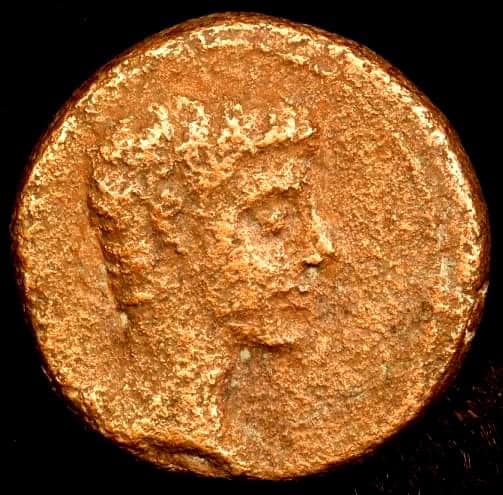
Caesar Augustus Coin

ARCHAEOLOGY AND THE BIBLE – CAESAR AUGUSTUS

“In those days Caesar Augustus issued a decree that a census should be taken of the entire Roman world.” – Luke 2:1

This bronze coin was issued in Ephesus to celebrate Caesar Augustus (27 BC-14 AD) and bears his image. Caesar Augustus unknowingly fulfilled Bible prophecy when he made the decree that everyone in the empire should be enrolled in a census,

“So Joseph also went up from the town of Nazareth in Galilee to Judea, to Bethlehem the town of David, because he belonged to the house and line of David. He went there to register with Mary, who was pledged to be married to him and was expecting a child” – Luke 1:4-5

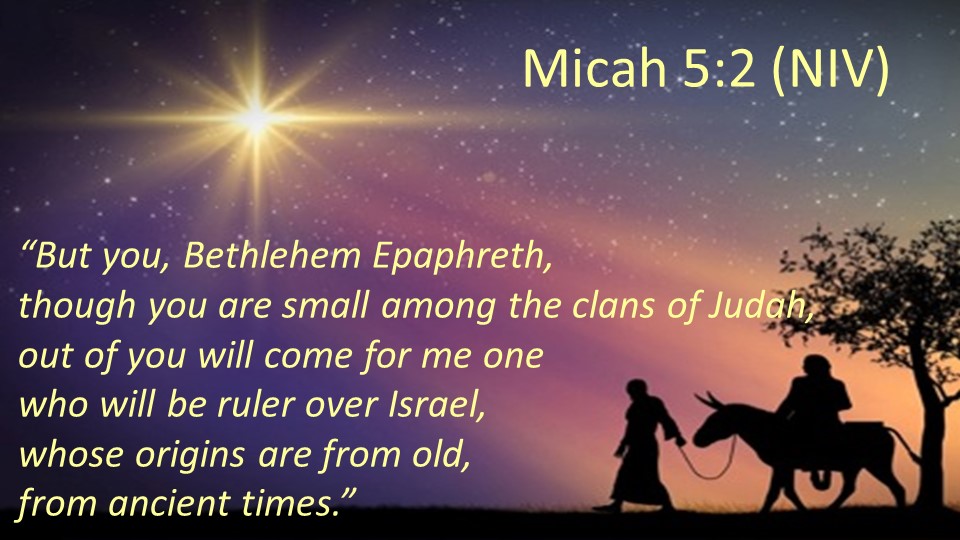
“But you, Bethlehem Ephrathah, Though you are little among the thousands of Judah, Yet out of you shall come forth to Me The One to be Ruler in Israel, Whose goings forth are from of old, From everlasting.” – Micah 5:2

2020-09-03T14:23:23+00:00Archaeology and the Bible|

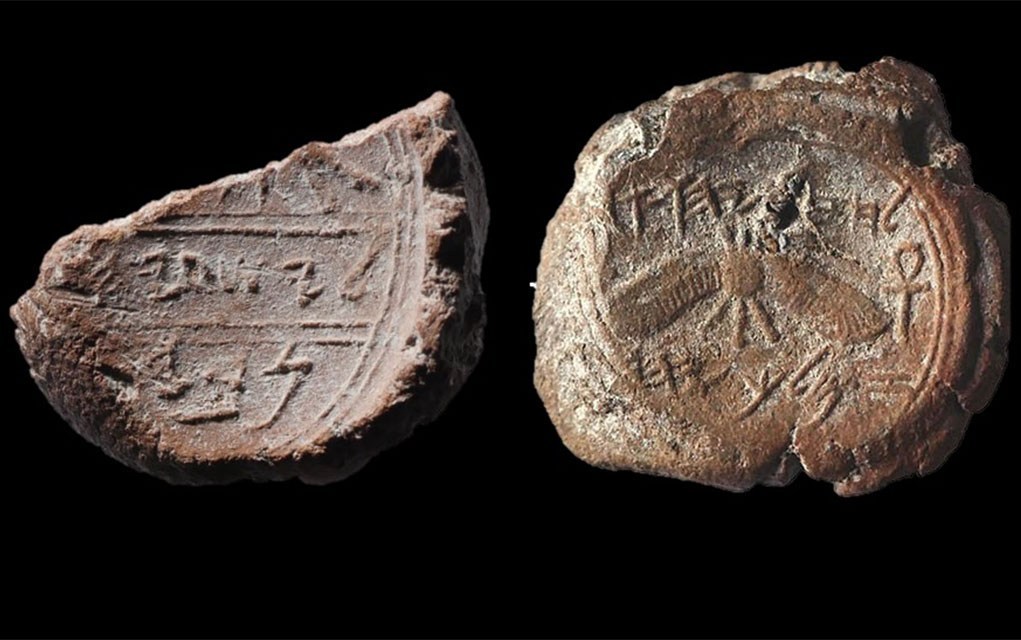
Isaiah’s Signature Seal

ARCHAEOLOGY AND THE BIBLE – ISAIAH’S SIGNATURE SEAL
But He was pierced for our transgressions, He was crushed for our iniquities; the punishment that brought us peace was upon Him, and by His stripes we are healed. We all like sheep have gone astray, each one has turned to his own way;and the LORD has laid upon Him the iniquity of us all. – Isaiah 53
The signature seal of the Prophet Isaiah has been discovered at the Ophel excavation site, just south of the Temple Mount in Jerusalem, about 3 meters away from where King Hezekiah’s royal seal was found. In the Bible, Isaiah is described as an advisor to King Hezekiah in 2nd Kings.
Friends, Jesus said of those proclaiming Him Lord, “if they keep quiet, the stones will cry out.” – Luke 19:40
2020-09-03T14:56:13+00:00Archaeology and the Bible|

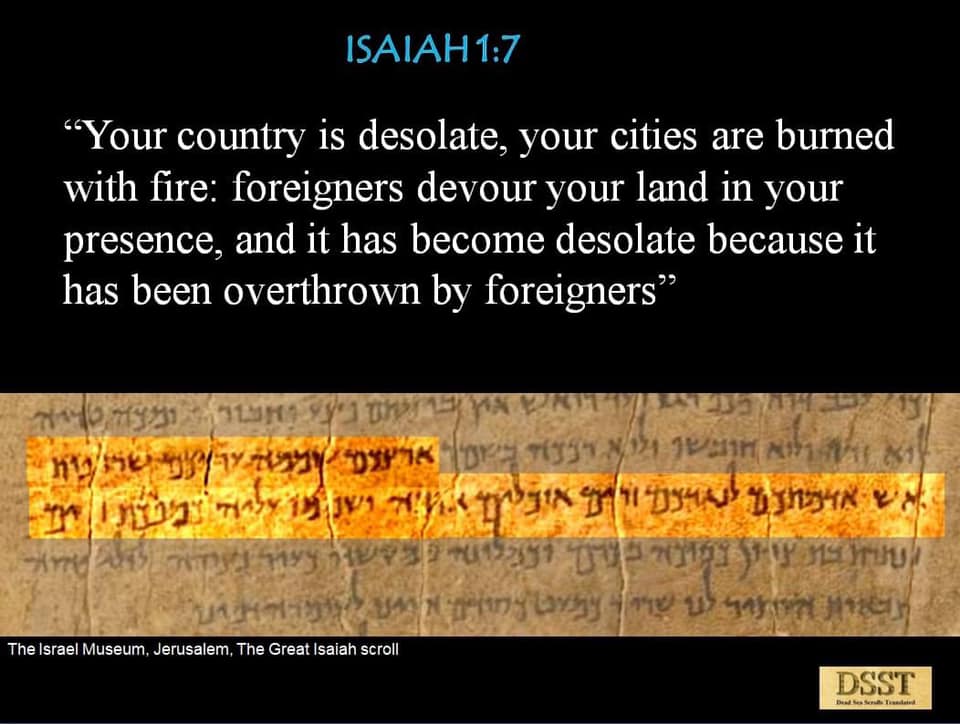
The Isaiah Scroll

DEAD SEA SCROLLS – THE ISAIAH SCROLL

Your country lies in ruins, and your towns are burned. Foreigners plunder your fields before your eyes and destroy everything they see. – Isaiah 1:7

The Isaiah manuscript is one of the seven scrolls discovered in Qumran in 1947. It is the largest and best preserved scroll among the Dead Sea Scrolls library, and represents the only biblical book that has survived in its entirety. The fifty-four columns contain all sixty-six chapters, without a marked division between what modern scholarship regards as First and Second Isaiah. The scroll is one of the oldest Dead Sea Scrolls – it dates from about 100 BC and is older by about one thousand years than the oldest biblical manuscripts (such as the Aleppo Codex) known prior to the Qumran finds. The text, which is written clearly enough to be understood immediately by readers of modern Hebrew, substantiates to a remarkable degree the wording and orthography of medieval manuscripts.

2020-09-03T14:16:35+00:00The Dead Sea Scrolls|

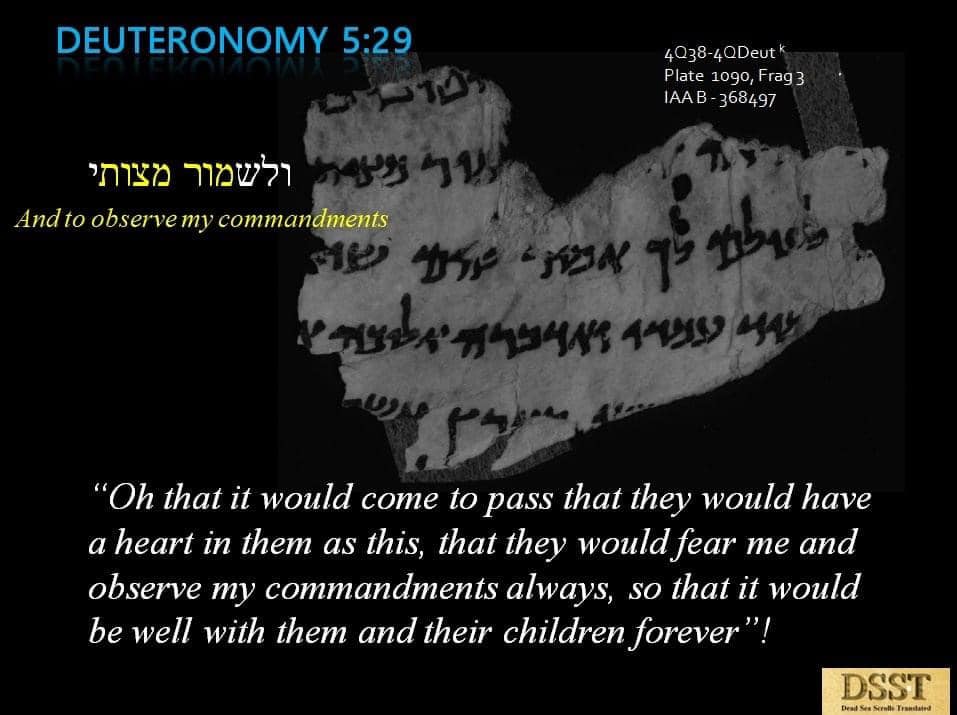
Deuteronomy Scroll

DEAD SEA SCROLLS – DEUTERONOMY SCROLL
Oh, that they would always have hearts like this, that they might fear me and obey all my commands! If they did, they and their descendants would prosper forever. – Deuteronomy 5:29
The Deuteronomy Scroll was found in cave four in Qumran which was discovered by Ta’amireh bedouin in August, 1952.
2020-09-03T14:19:10+00:00The Dead Sea Scrolls|

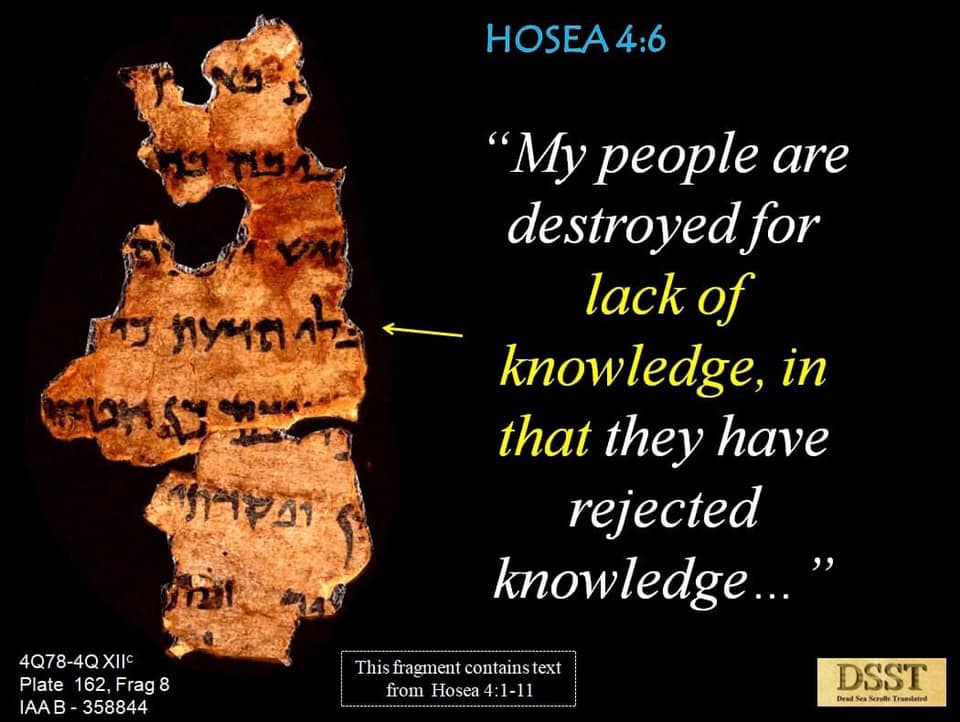
Hosea Scroll

DEAD SEA SCROLLS – THE HOSEA SCROLL
My people are destroyed for lack of knowledge. Because you have rejected knowledge, I also will reject you from being priest for Me; Because you have forgotten the law of your God, I also will forget your children. – Hosea 4:6
The Hosea Scroll was found in Cave 4 at Qumran in the West Bank. The parchment dates to first century B.C.E.
2020-09-03T14:20:39+00:00The Dead Sea Scrolls|

A different kind of King


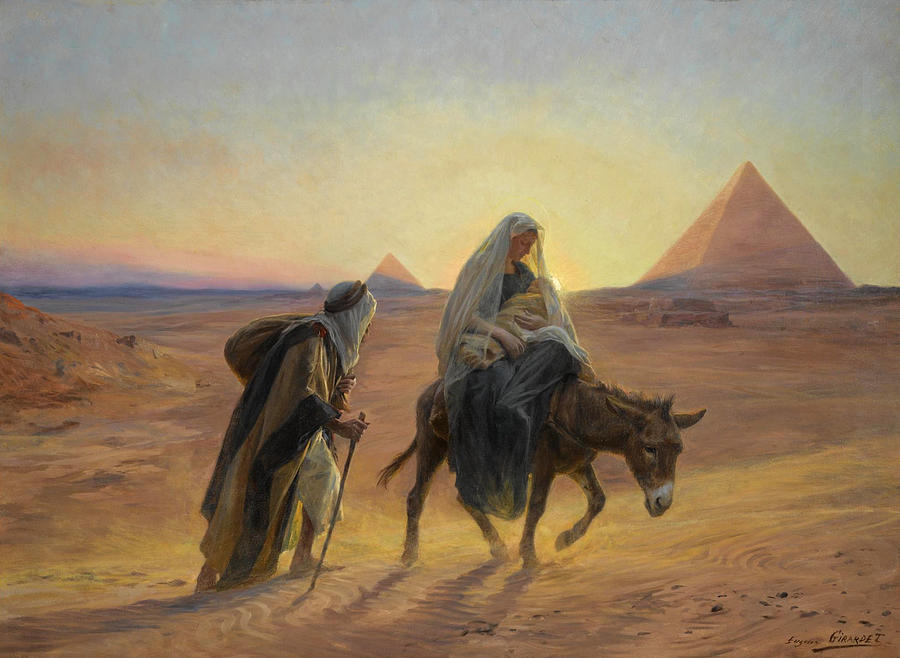
Joseph got up, took the child and His mother during the night and left for Egypt, where he stayed until the death of Herod. – Matthew 2: 14-15 ✝️

I love to imagine the little details between the lines of God’s word. It was John the Apostle that said,

“Jesus also did many other things. If they were all written down, I suppose the whole world could not contain the books that would be written.” – John 21:25

For instance, Yeshua Jesus spent the first years of His earthly life in Egypt. The gifts of Gold, Frankincense and Myrrh that Yahweh provided through the Magi were likely used to finance that trip (but that is another entire story). Jesus would have been about four or five when they returned to Israel after Herod had died.

I love to imagine the young Yeshua Jesus walking among the Pyramids and looking at the Sphinx. For these things were ancient monuments even then! What a perspective the Creator of the universe would have had as He viewed these monoliths.

Would He have been awed by them? Admired them? Or would He have had a different perspective… one which encompassed a culture of slavery in which not only the Hebrews, but an entire people was enslaved? In fact, the Great Pyramids represent an entire people dying for their King.

My point does not end here, though. Many such monuments, such as Auschwitz, are not beautiful nor do they represent something or someone we admire. But they are there so that we NEVER FORGET. So that history never again repeats itself in such a horrific way.

WE MUST NOT ERASE THESE MONUMENTS AND MEMORIES FROM OUR CULTURE, OR OUR CULTURE WILL BE DOOMED TO REPEAT THE VERY HORRORS THEY REPRESENT.

It’s amazing to think that Jesus once viewed the monuments of Egypt and that we can view them ourselves today, and to realize that an entire people died for their King, so that the King would live eternally through the Pyramids. But it’s even more amazing to realize that another King, the true King, did just the opposite. He died for His people. Yeshua Jesus, King of all Creation, died for each and every one of us, so that we might live forever through Him. ❤️

2020-07-02T05:18:19+00:00Jesus in the New Testament|

The Woman with the Issue of Blood

THE HEM OF HIS GARMENT ✝️

“If only I could touch the hem of His robe”, she thought… Mariam hurried towards the crowd on the Galilean shore. She had heard about the Rabbi Yeshua Jesus; how His teaching amazed even the Pharisees and how He claimed to be the Son of Yahweh. She had yearned to follow Him, but, for Miriam, it could never be.

Her childhood had been magical. Her parents owned a little shop in Galilee that sold fine linens and silks from the far East. She had traveled often with her father to purchase these treasures. “Miriam, you are gifted in business”, her mother often told her, “You will go far in this world”. Her father was equally proud of her. And her many friends admired her. But then tragedy struck her young life. At the age of twelve, her body betrayed her. She began bleeding continuously, and as the law required, she was to stay seclusion until seven days after the bleeding stopped. But for Miriam, the bleeding NEVER stopped. She was considered unclean according to the Mosaic law and was shunned by her family and friends as if she was a leper. Her father had hired many doctors to heal her, spending his fortune, but it was no use. She was not only an outcast of society, but chronically weak and her cheeks were pale from loss of blood. She was now 24 years old, and for the last 12 years had lived a life of misery …

Miriam finally reached the crowd. Oh, how she longed to be identified as a disciple of Yeshua Jesus. She recalled something long ago, from her childhood travels with her father. She had learned that in the Ancient Near East, the corner of a person’s garment represented his identity; it was a symbol of who he was and what he stood for. She remembered her father’s words… “That’s why Ruth, when she was seeking marriage to Boaz, asked him to spread the corner of his garment over her.” (Ruth 3:9). How Miriam longed to be identified with Yeshua Jesus… If only she could touch His hem!

Mariam struggled towards the tall, robed figure at the head of the crowd, her hand outstretched. Suddenly, she was jostled forward by the crowd and she stumbled towards Him, falling at His feet … and SHE TOUCHED THE HEM OF HIS ROBE!

– Immediately, her blood flow stopped. Yeshua said, “Who touched Me?” When everyone denied it, Peter said, “Master, the crowds are surrounding You and pressing in!” But Yeshua said, “Someone touched Me, for I recognized power going out from Me.” Then seeing that she did not escape notice, the woman came trembling and fell prostrate before Him. In the presence of all the people, she confessed why she had touched Him and how she had been healed immediately. He said to her, “Daughter, your faith has made you well.” – Luke 8:44-48

Tears flowed down Miriam’s pink and radiant cheeks and she knelt before her Savior. For, at long last, she was His disciple. And she was healed. ❤️

2020-06-17T02:17:52+00:00Characters in the Gospels|

The Woman at the Well

Inside out – John 4 ✝️

Camilla visited Jacob’s well nearly every day. She had met many travelers there, some of them wealthy, a few of them handsome, and many of them more than willing to part with their silver for her female company. The other women had gotten their water for the day early in the morning. But Camilla waited nearby for another thirsty traveler who might be willing to part with his Shekels.

Her mother had named her after the legendary warrior maiden Camilla. Indeed, she was a fighter. Her life had not been an easy one. Born a Samaritan, she was considered a mixed-breed by both the Jews and Gentiles, whose prejudice ran deep. She frequently felt marginalized and dismissed. She was often ridiculed. She had endured rejection and shame in this life. She was searching for something more.

It was now noontime and the middle eastern sun bore down heavily on the weary traveler who stopped at the well. His name was Yeshua Jesus, a Jewish Rabbi. His disciples had gone into the nearby village to buy food for lunch. Jesus sat at the edge of Jacob’s well as Camilla approached with her water pot.

The Rabbi looked into her eyes. “Would you give me a drink of water?”, He asked. Camilla knew this game well. She had played it many times before.

“How come you, a Jew, are asking me, a Samaritan woman, for a drink?”, she retorted.

Jesus answered, “If you knew the generosity of Yahweh God and who I am, you would be asking ME for a drink, and I would give you fresh, living water”.

At that she laughed to herself. This man would not be an easy Shekel. “Sir, you don’t even have a bucket to draw with and this well is deep. So how are you going to get this ‘living water’? Are you a better man than our ancestor Jacob, who dug this well and drank from it, he and his sons and livestock, and passed it down to us?”

The Rabbi again looked deeply into her eyes. “Everyone who drinks this water will get thirsty again and again. But anyone who drinks the water I give will never thirst again. The water that I will give them will become in them a spring which will provide them with life-giving water and give them eternal life.”

Suddenly, the game had changed and Camilla longed for something more meaningful than silver. “Sir, give me this water so I won’t ever get thirsty…”, she implored.

The Rabbi replied, with eyes that pierced her soul, “Go, get your husband and return.”

Camilla suddenly felt exposed. “I have no husband”, she countered.

The Rabbi reached into the depths of her being. “Yes, you are right. You’ve had five husbands, and the man you are living with now isn’t even your husband”, He said knowingly.

As the Rabbi spoke, a flash of shame rushed over Camilla. Jesus had crossed cultural, political, and religious chasms to reach the very depths of her heart. He had searched her from the inside out and reached her soul. He didn’t care that she was a Samaritan, a woman, an outcast. He saw her, rather, as He did every human – rich or poor, male or female, black or white. A sinner in need of redemption.

As Camilla opened her heart to Jesus, she was changed from the inside out by His beautiful, convicting and transforming words. Her long search had ended. Camilla had found what she was looking for.❤️
 

2020-07-02T05:20:47+00:00Characters in the Gospels|

Jesus in Malachi

Jesus in Zephaniah

Jesus in Micah

Jesus in Jonah and Nahum

Jesus in Obidiah

Jesus in Amos

Jesus in Joel

Jesus in Hosea

Jesus in Daniel

Jesus in Ezekiel

Jesus in Lamentations

Jesus in Jeremiah

Jesus in Isaiah

Jesus in Isaiah

Jesus in Isaiah

Jesus in Isaiah

Jesus in Song of Solomon

Jesus in Ecclesiastes

Jesus in Proverbs

2021-12-16T14:03:31+00:00Jesus in the Old Testament|

Jesus in Psalms

Jesus in Job

Jesus in Esther

2021-12-12T20:33:42+00:00Jesus in the books of History|

Jesus in Ezra and Nehemiah

2021-12-15T19:24:51+00:00Jesus in the books of History|

Jesus in Chronicles

2021-12-11T15:00:21+00:00Jesus in the books of History|

Jesus in Kings

2021-12-08T16:29:35+00:00Jesus in the books of History|

Jesus in Samuel

2021-12-06T15:28:49+00:00Jesus in the books of History|

Jesus in Ruth

2021-12-05T15:12:34+00:00Jesus in the books of History|

Jesus in Judges

2021-12-04T15:31:29+00:00Jesus in the books of History|

Jesus in Joshua

2021-12-03T20:49:36+00:00Jesus in the books of History|

Jesus in Deuteronomy

2021-12-02T17:57:18+00:00Jesus in the Torah|

Jesus in Numbers

2021-12-01T22:20:36+00:00Jesus in the Torah|

Jesus in Leviticus

2021-12-01T23:06:16+00:00Jesus in the Torah|

Jesus in Exodus

2021-12-01T22:55:03+00:00Jesus in the Torah|

Jesus in Genesis

2021-12-01T22:38:17+00:00Jesus in the Torah|
Go to Top